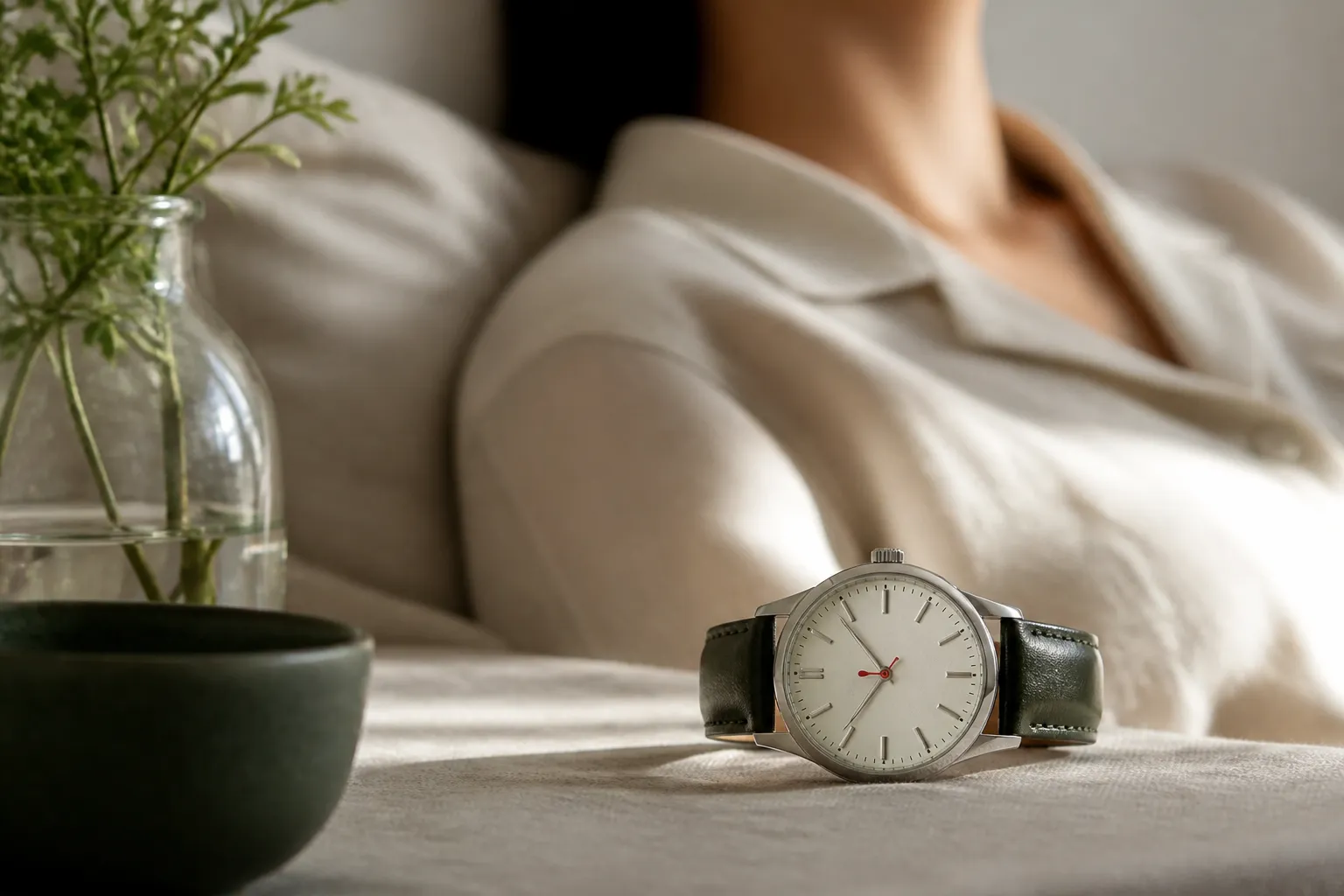
A watch with a second hand can offer a breathing rhythm without adding anything to the household bill. Follow five ticks while breathing in, then five while breathing out. Ten seconds for a complete breath makes six breaths a minute. The arithmetic is exact. The person watching the dial need not be.
That distinction matters before buying an app, choosing a timer or setting aside a daily appointment. Slow breathing has a research literature behind it, but the familiar five-seconds-in, five-seconds-out pattern is a convenient way to mark time. It is not a standard everyone has to meet.
What the five-second breath actually asks of you
As a small, non-clinical experiment, the watch-face routine is easy to understand: let an inhale occupy roughly five seconds and an exhale roughly five more, provided that feels comfortable. There is no need to hold the breath between them or to make each breath unusually large. The clock supplies a rhythm, not an instruction to force more air.
A few minutes can be enough to explore the practical question: does this pace feel easy to sustain? A slightly shorter or longer cycle does not spoil the experiment. If following the hand becomes an effort, there is no reason to keep matching it. Ordinary, unpaced breathing remains available.
The useful observation may be quite modest. Perhaps watching the dial makes counting easier. Perhaps counting becomes another task to supervise. Neither observation needs a score. This is an invitation to notice a rhythm, not a treatment plan or a test of lung capacity.
How six breaths a minute entered the paperwork
In the research record, the number has a more particular job. Research on resonance frequency breathing describes a rate around six breaths a minute as an important part of heart rate variability biofeedback training. Heart rate variability concerns changes in the time between heartbeats. In this setting, resonance frequency is the breathing rate at which breathing most strongly affects that variability.
The rounded number can obscure the individual measurement behind it. In that study, researchers compared 15 minutes of breathing at each participant’s determined resonance frequency with breathing one breath per minute faster and with sitting quietly. They were testing a specific physiological question under specified conditions. They were not simply asking everyone to follow the same second hand.
A shared rate also gives researchers a repeatable reference point. Six cycles per minute can be written into a protocol and examined again. That helps explain its recurrence in papers, but recurrence does not turn it into a personal requirement. Nor does six breaths per minute necessarily describe equal halves: five seconds in and five out is one way to divide a ten-second cycle.
Read the measurements before the promise
A systematic review of slow breathing examines physiological and psychological findings, including heart rate variability and measures related to mood and stress. Other research considers blood pressure. These are reasons to take the subject seriously, not grounds for promising that a watch-face exercise will produce a particular feeling or health outcome.
Consider the question in a single-session study at six cycles per minute: researchers investigated the dose-response relationship for cardiac vagal activity. That asks how the amount of a practice relates to a measured response. It does not establish that six is the necessary pace for everyday calm, or that a change in a physiological measure will feel noticeable to the person breathing.
A four-week controlled study examined resonance breathing, heart rate variability, stress and cognition in young men aged 18 to 30. That age range and duration belong beside any account of the findings. The supplied research excerpts do not give effect sizes or confidence intervals, and they do not establish lasting benefits or continued practice outside the study. How much changed, for whom, and for how long remain important questions.
What equipment adds, and what it cannot settle
The cheapest version uses a clock already in the room. A timer or guided tool may make the rhythm easier to follow, but paying for guidance does not resolve the evidence gaps. A review involving people with hypertension considered both device-guided and non-device-guided slow breathing. Devices are therefore not the only format represented in the research. That does not mean every format has been shown to work equally well for every purpose.
There is also a cost in attention. A screen may remove the counting while adding a notification, a subscription or another record to maintain. A second hand may be sufficient for someone who simply wants to explore the timing. The useful purchasing question is concrete: what difficulty would this tool actually remove?
Population matters more than packaging. Findings from young men, people with hypertension or people with chronic lung disease cannot automatically be transferred to a general reader seeking everyday focus. The clinical uses and safety questions for heart, lung and blood pressure conditions are outside this article’s scope. The material reviewed here cannot establish an appropriate routine for those circumstances.
Two things to keep beside the clock
Keep the arithmetic and the research question separate. Five seconds each way is an easily remembered pattern. An individually determined resonance frequency is a measurement used in a particular research setting. They may sit close together on the dial without being interchangeable.
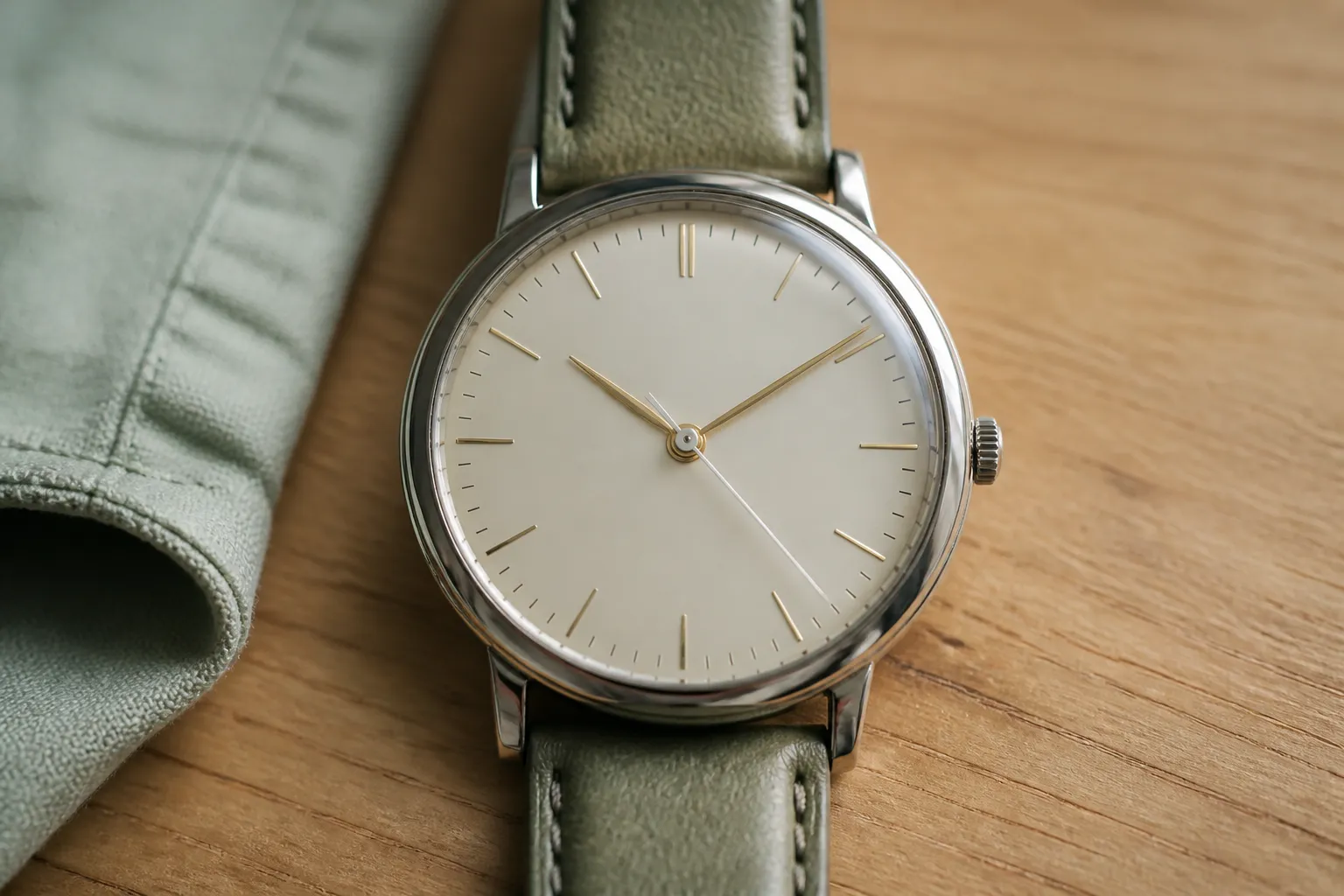
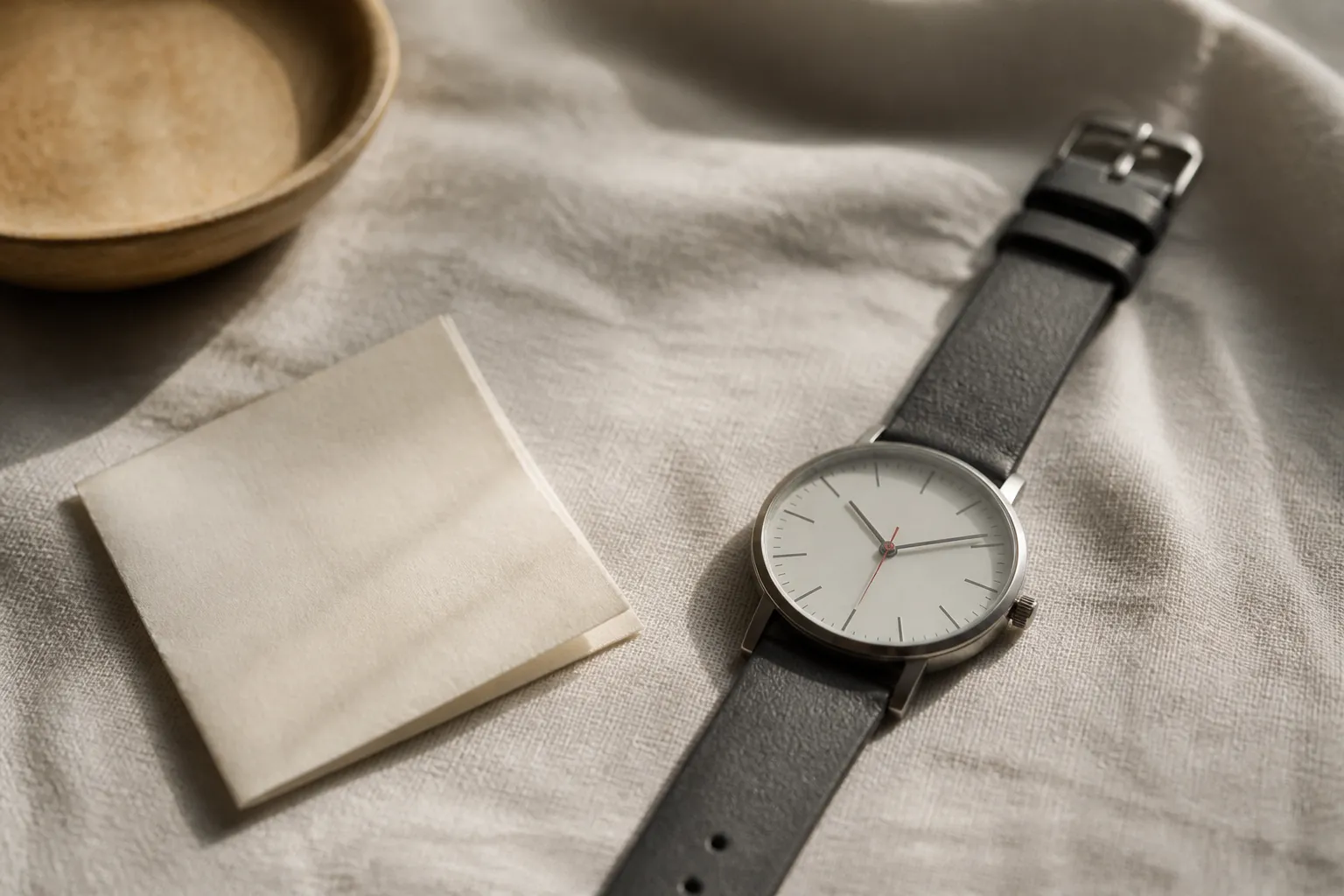
The watch can lend the experiment a little structure. It cannot tell you what you ought to feel, or certify a benefit when the hand completes its circuit. If the pace feels comfortable, it offers something to explore. If it does not, there is no debt to the number six.
Sources
- https://www.frontiersin.org/journals/human-neuroscience/articles/10.3389/fnhum.2018.00353/pdf
- Frontiers | How Breath-Control Can Change Your Life: A Systematic Review on Psycho-Physiological Correlates of Slow Breathing
- Device and nondevice‐guided slow breathing to reduce blood pressure in hypertensive patients: A systematic review and meta‐analysis - PMC
- How Breath-Control Can Change Your Life: A Systematic Review on Psycho-Physiological Correlates of Slow Breathing - PMC
- How Breathing Exercises Influence on Respiratory Muscles and Quality of Life among Patients with COPD? A Systematic Review and Meta-Analysis - PMC
- Single Slow-Paced Breathing Session at Six Cycles per Minute: Investigation of Dose-Response Relationship on Cardiac Vagal Activity - PMC
- The Impact of Resonance Frequency Breathing on Measures of Heart Rate Variability, Blood Pressure, and Mood - PMC
- Effect of Resonance Breathing on Heart Rate Variability and Cognitive Functions in Young Adults: A Randomised Controlled Study - PMC